



Jordan has officially unveiled an ambitious road-map to transform its industrial landscape, targeting more than $2.82 billion (JOD 2 billion) in chemical and cosmetics exports by 2029.
Announced by the Jordan News Agency (Petra), the newly launched 2027–2029 Industrial Strategy outlines six comprehensive programs designed to slash operational costs, drive high-tech manufacturing, and attract major foreign investment.
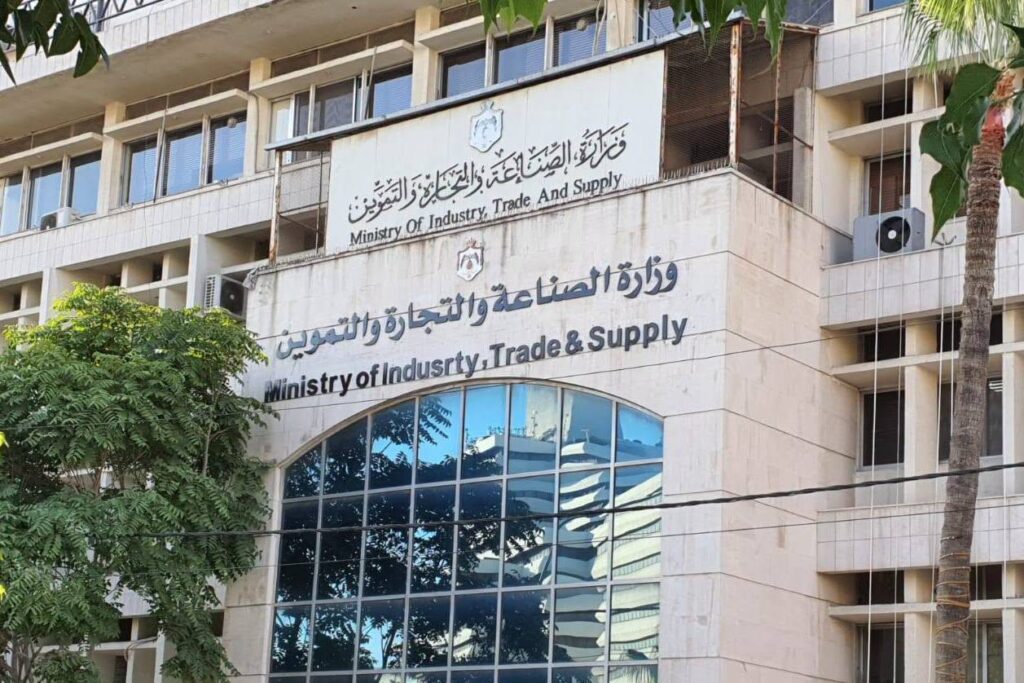
Jointly developed by the Ministry of Industry, Trade and Supply and the Jordan Chamber of Industry, this multi-faceted plan position’s Jordan as a regional powerhouse for specialized chemical production and sustainable manufacturing.
Key Pillars of Jordan’s Industrial Growth Targets
To achieve its target of $2.82 billion in exports, the Jordanian government is focusing on key efficiency benchmarks and high-value export categories:
- Slashed Energy Costs: Jordan aims to reduce industrial energy expenses by over 15%, helping local manufacturers stay competitive globally.
- Productivity Gains: Labor productivity is targeted to rise by ~20%, driven by smart manufacturing adoption, predictive maintenance tools, and resource optimization.
- Shift to High-Value Products: The strategy plans to increase high-value manufacturing from 15% to over 25% of total sector sales. Primary focus areas include:
- Specialized chemicals & fertilizers
- Biopesticides & advanced industrial products
- World-renowned Dead Sea mineral derivatives
- Higher Local Content: The industrial integration program aims to raise local component use past 15% by leveraging domestic mineral deposits, building intermediate manufacturing hubs, and setting up accredited testing labs.
- Doubled Foreign Investment: By offering concessional financing, tax incentives, simplified regulations, and technology transfer pathways, Jordan intends to double new investments in the chemical sector.
- Expanded Export Routes: Strategic trade programs will focus on opening new global markets, optimizing supply chain logistics, and capitalizing on existing international trade agreements.
Aligning with Global Green Standards & EU CBAM Compliance
As global trade regulations tighten around sustainability, Jordan is proactively aligning its industrial ecosystem with international environmental standards.
A core component of the new strategy helps domestic manufacturers comply with the European Union’s Carbon Border Adjustment Mechanism (CBAM). The European Commission enforces strict reporting and carbon tariffs on high-emission imports, including fertilizers, hydrogen, cement, steel, and electricity.
Jordan’s national compliance framework will focus on:
- Precise carbon footprint measurement for industrial goods.
- Aligning local products with stringent EU quality and sustainability benchmarks.
- Securing recognized international accreditation to give Jordanian exporters a seamless pathway into European markets.
Supporting Jordan’s Economic Modernization Vision
The chemical and cosmetics initiative is part of a broader economic push launched on October 6, alongside parallel development strategies for the engineering and food manufacturing sectors. Together, these programs form a key pillar of Jordan’s Economic Modernization Vision.
In tandem with the sectoral blueprints, Jordan’s overarching National Export Strategy (2026–2029) sets a target of 5% annual export growth, driving total national manufacturing exports to $11.1 billion (JOD 7.9 billion) by 2029.
To ensure transparency and progress, the government has scheduled a formal interim review in 2027, followed by a comprehensive economic impact assessment in 2029.
Key Takeaways for Investors & Manufacturers
- Target Export Volume: $2.82 Billion (JOD 2 Billion) by 2029.
- Energy Cost Reduction: >15%.
- Productivity Increase: ~20%.
- High-Value Product Share: Target >25%.
- Total Manufacturing Export Goal: $11.1 Billion by 2029.